The Hormone Advantage
by Live Long and Strong Press
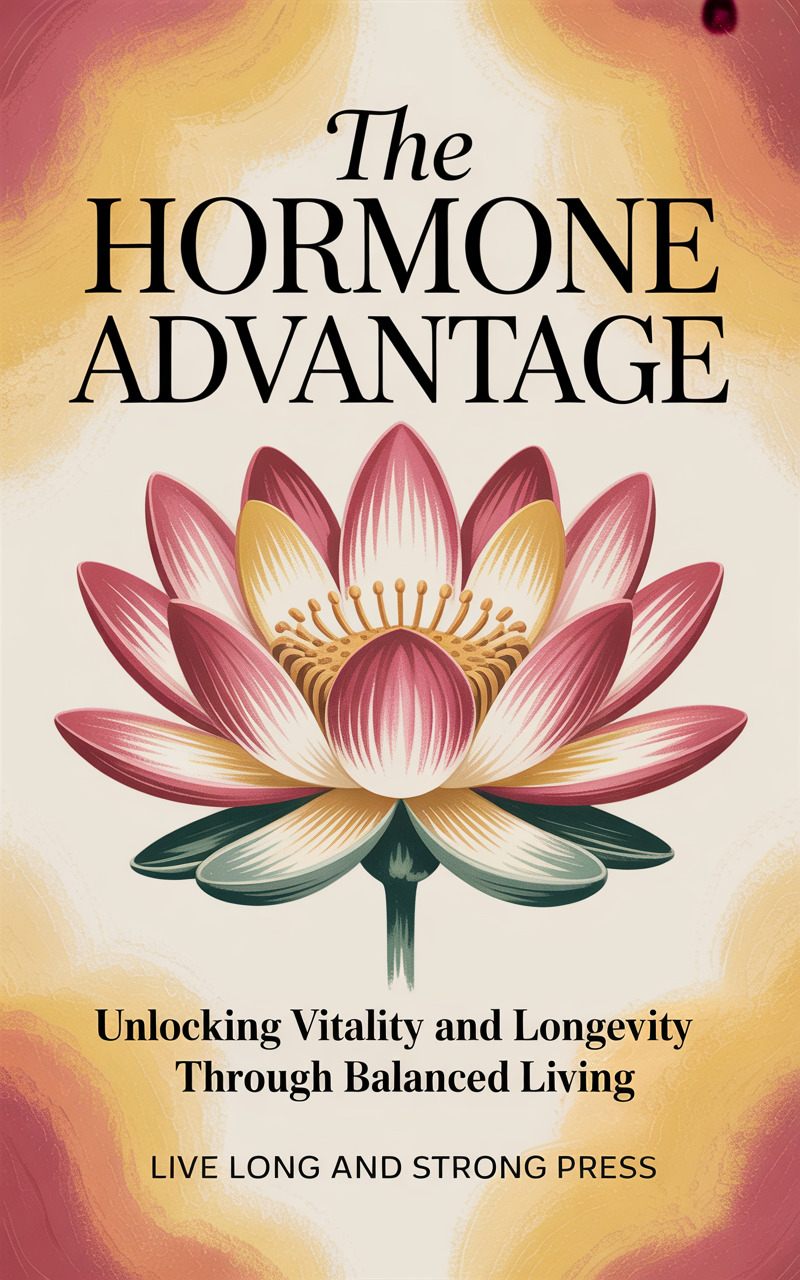
Summary
The Hormone Advantage presents a broad, life-stage-oriented argument: hormones are not just reproductive chemicals or abstract lab values, but the body’s master coordinators of energy, mood, sleep, metabolism, immunity, cognition, and repair. The book’s central message is that healthy aging depends on learning to work with this system rather than waiting until symptoms become impossible to ignore. It frames hormone balance as a practical, everyday advantage that can protect vitality, extend healthspan, and help people feel strong, clear-headed, and emotionally steady across the decades. Rather than treating aging as a passive slide into decline, the book insists that many of the changes people experience in midlife are signals that the endocrine system is shifting, and that those signals can be responded to with intention.
The early chapters build the scientific foundation for this view. Hormones are described as chemical messengers moving through the bloodstream and influencing nearly every major body system. As the body ages, hormone production gradually declines in some cases, while receptor sensitivity may also weaken, so cells do not respond as efficiently as they once did. The book uses an orchestra analogy to make this vivid: in youth, the ensemble plays in harmony, but over time some instruments fade, the timing changes, and the music loses richness unless carefully supported. This is not meant to be fatalistic. Instead, it shows why subtle symptoms such as fatigue, changing body composition, sleep disturbances, mood swings, or brain fog should be taken seriously. These are often the first signs that hormonal coordination is shifting. The book also emphasizes the hypothalamic-pituitary axis as the body’s master control center, explaining how disruptions there cascade into thyroid, adrenal, ovarian, and testicular changes. A major idea introduced early is inflammaging, the low-grade chronic inflammation that rises with age and reinforces hormonal decline. In this view, inflammation and hormonal imbalance feed each other in a loop that accelerates aging, meaning lifestyle choices that reduce inflammation can have a real protective effect.
The second chapter applies this framework to the decades of adult life, especially the 30s, 40s, 50s, and 60s. One of the book’s recurring insights is that hormones do not collapse overnight; they drift. In the 30s and 40s, women often begin the gradual decline toward perimenopause and menopause, while men typically experience a slow decrease in testosterone beginning around age 30. But the chapter is careful not to reduce hormone health to sex hormones alone. Cortisol, thyroid function, growth hormone, and insulin regulation all shift during these years, and they often explain the everyday experiences that people dismiss as “just getting older.” The book repeatedly returns to the same kinds of examples: stubborn belly fat, irritability, lower motivation, shallower sleep, and a fatigue that rest alone does not fix. In the later decades, the picture broadens further. Menopause, andropause-like changes, reduced melatonin, altered sleep architecture, and diminished recovery all interact. The author’s tone is reassuring but practical: aging may change the hormonal landscape, but it does not make improvement impossible. Instead, it means the support strategies must become more deliberate, more layered, and more individualized.
Nutrition is presented as one of the most powerful levers for hormonal health. The book’s argument here is not built around dieting or restrictive trends, but around consistent nourishment that stabilizes blood sugar, supports liver function, and gives the body the raw materials it needs to make hormones. Stable glucose is treated as a cornerstone of the entire system, because insulin dysfunction can trigger weight gain, energy crashes, sleep problems, and wider endocrine disruption. Foods rich in fiber, especially vegetables and fruits, are praised for smoothing glucose absorption, while cruciferous vegetables like broccoli, Brussels sprouts, and kale are singled out for their support of estrogen metabolism and liver detoxification. Healthy fats are emphasized because steroid hormones such as estrogen, progesterone, and testosterone are synthesized from cholesterol. Omega-3-rich foods like salmon, sardines, flaxseeds, chia seeds, and walnuts are described as supportive not just of hormones but also of brain health and inflammation reduction. Protein is also important because amino acids help produce peptide hormones like insulin and growth hormone. The book goes further into micronutrients, explaining the role of magnesium, zinc, vitamin D, B6, and B12 in hormone synthesis, receptor sensitivity, and neurotransmitter balance. Fermented foods are highlighted for gut health, since the gut plays a role in estrogen recycling. Throughout, the chapter warns against excess sugar, processed foods, and too much caffeine, which can destabilize insulin and cortisol and quietly erode hormonal resilience over time.
The discussion of supplements is measured and cautious. The author does not present supplements as magic bullets, but as targeted tools that can fill specific gaps when used wisely. Quality, timing, dosage, and safety are all stressed. A supplement may help one person and be inappropriate for another, especially in the presence of hormone-sensitive conditions, pregnancy, breastfeeding, or medication use. The chapter makes a point of encouraging professional guidance, because hormones are interconnected and poorly chosen supplements can create new imbalances. There is also an emphasis on patience: hormone optimization happens over weeks and months, not overnight. Supplements are tools that work best when the foundation is already strong, meaning diet, sleep, stress regulation, and movement remain the real base of the strategy.
Exercise is treated as a hormonal intervention in its own right, not merely a way to stay fit or manage weight. The book explains that different types of physical activity create different hormonal responses. Aerobic movement improves insulin sensitivity and helps regulate blood sugar. Resistance training stimulates testosterone and growth hormone, which support muscle maintenance, tissue repair, and bone density. This is especially important in midlife, when muscle loss and metabolic slowdown can become more pronounced. Exercise also helps regulate cortisol, reducing the harmful effects of chronic stress by improving the body’s ability to respond to challenge without staying locked in emergency mode. The book frames movement as something that speaks directly to the endocrine system: it tells the body to stay adaptable, resilient, and metabolically active. But it also warns against overtraining. Recovery matters because the body needs time to recalibrate, and too much intensity without enough rest can drive cortisol higher and worsen the very problems exercise is meant to solve. The ideal fitness routine is one that is balanced, sustainable, and varied, mixing strength work, aerobic movement, mobility, and restorative practices.
Stress and sleep receive one of the book’s most important chapters because they are portrayed as inseparable from hormone regulation. Chronic stress is shown as a slow poison to the endocrine system. Through the HPA axis, prolonged stress keeps cortisol elevated or erratic, and that disrupts sex hormones, thyroid hormones, appetite hormones, blood sugar, immune function, and sleep. The book repeatedly circles back to the vicious cycle: stress raises cortisol, which disrupts sleep; poor sleep then worsens cortisol rhythm and hormone regulation, which makes stress harder to handle. Sleep is presented as the body’s nightly reset button, when melatonin, growth hormone, appetite hormones, and repair processes do their work. Without adequate sleep, the hormonal system cannot fully recover. The author offers practical strategies such as consistent bedtimes, reduced evening screen exposure, calming rituals, light stretching, breathwork, journaling, and relaxation methods that cue the nervous system to shift out of fight-or-flight mode. The chapter also makes space for social support and emotional processing as legitimate parts of sleep health, because feeling safe and connected helps the body relax enough to rest deeply.
Cognitive health is another major theme, and the book makes a strong case that brain function is deeply hormone-dependent. Estrogen, testosterone, thyroid hormones, and cortisol all shape memory, focus, mood, and mental stamina. Estrogen supports neurons and neurotransmitter systems tied to learning and emotional regulation; testosterone contributes to synaptic plasticity and neurological resilience; thyroid hormones drive cellular energy in the brain; and excess cortisol can damage memory-related structures like the hippocampus. The book’s message is that brain fog, forgetfulness, or mental slowing in midlife should not automatically be accepted as inevitable. Hormonal balance can help protect cognitive agility, and the author encourages readers to think of the brain as another organ that benefits from endocrine support. Mental exercises are recommended as a complement, not a replacement, to hormonal care: journaling, puzzles, strategy games, reflective writing, visualization, and emotionally intelligent self-awareness all help build cognitive reserve. When combined with movement, these practices may also boost brain-derived neurotrophic factor and support neural growth. The chapter’s overall tone is empowering: the aging brain remains adaptable, and hormonal support can help preserve clarity, memory, and emotional steadiness.
Social connection is treated not as a soft or optional wellness factor, but as a biologically meaningful influence on hormones. Warm conversations, touch, shared laughter, community participation, and reliable relationships are said to stimulate oxytocin, the bonding hormone, which helps reduce cortisol and create a sense of safety. Endorphins and dopamine also rise during positive social engagement, supporting mood, motivation, and pain relief. The book points out that loneliness has measurable physiological consequences. Chronic isolation can raise stress hormones, worsen inflammation, disrupt sleep, and contribute to hormonal decline. The author’s approach here is practical and humane: strengthen existing relationships, seek out group activities, join communities, and if needed, use counseling or support groups to break the cycle of withdrawal and stress. Social engagement is also tied to testosterone and estrogen balance, because belonging, purpose, and emotional support all influence the body’s endocrine state. Even in later life, it is possible to rebuild connection and use it as a powerful stabilizer for hormonal and emotional health.
Purpose and mindset receive a similarly high-level treatment. The book argues that having a sense of meaning changes the way the body handles stress and renewal. Purpose is described as a catalyst that shifts the nervous system away from chronic alarm and toward resilience. When people feel they have a reason to get up in the morning, they are less likely to remain trapped in stress-driven hormonal patterns. The chapter ties purpose to healthier cortisol rhythms, lower inflammation, better sleep, and improved motivation. It is careful to note that purpose does not have to be grand or dramatic; it can be rooted in family, craft, service, learning, spirituality, or daily rituals that matter. Growth mindset is paired with purpose as a belief system that keeps people open to change at any age. Mind-body practices such as meditation, breathwork, gentle movement, and emotional reflection are recommended because they directly influence the autonomic nervous system and the hormonal signals tied to stress and repair. The book’s larger point is that inner life and endocrine health are inseparable. How a person thinks, breathes, and interprets their life can alter the hormonal terrain in which aging unfolds.
When the book turns to disorders and conditions, it becomes more diagnostic and practical. It lists common imbalances in adults over 35, including declining sex hormones, cortisol dysregulation, thyroid dysfunction, insulin resistance, and falling melatonin. These are framed as interlocking issues rather than isolated problems. Fatigue, weight gain, mood changes, brain fog, sleep disruption, and lowered libido are treated as clues that deserve attention, not as random complaints. The chapter encourages readers to seek medical testing when symptoms persist, especially because many endocrine disorders are underrecognized. At the same time, it advocates for an integrative approach that combines medical insight with lifestyle support. Nutrition, exercise, sleep, stress reduction, community, and emotional well-being all matter alongside laboratory testing. The chapter’s tone is compassionate and nonjudgmental, emphasizing that people should listen to their bodies and seek collaborative care rather than trying to tough it out alone.
That integrated perspective becomes even more explicit in the discussion of hormone replacement therapy and alternatives. The book presents HRT as a potentially powerful option for people whose natural hormone levels have declined enough to cause significant symptoms. It explains the range of delivery methods, from pills and patches to gels, creams, and injections, and distinguishes between conventional synthetic hormones and bioidentical hormones, which are chemically identical to those produced by the body. The author stresses personalization: the right therapy depends on symptoms, lab work, health history, risk factors, and personal preferences. Benefits are balanced against possible side effects and risks, especially for people with hormone-sensitive conditions. Alternatives such as lifestyle interventions, phytoestrogens, adaptogens, and targeted supplements are presented as complementary options, not competing ideologies. The chapter’s larger message is that hormone therapy should be used thoughtfully, with professional oversight, as one part of a broader longevity strategy.
The final practical chapters focus on sustainable lifestyle tweaks and decade-by-decade planning. Sustainability is a repeated keyword because the book understands that dramatic changes are hard to maintain, while small habits, repeated consistently, can reshape hormonal patterns over time. It recommends regular meal timing, hydration, sleep routines, movement, stress rituals, environmental awareness, and reducing exposure to endocrine-disrupting chemicals in plastics and household products. It also encourages tracking progress by noticing subjective changes in energy, sleep, mood, digestion, and cognition, while using hormone testing when appropriate. This tracking is not meant to create anxiety; it is meant to help people see their body as responsive and intelligible. Small adjustments can then be made with curiosity rather than self-criticism.
The closing vision is built around the idea of a decade-by-decade hormone advantage plan. In your 30s and 40s, the goal is often prevention and awareness: notice subtle changes, stabilize blood sugar, protect sleep, build strength, and manage stress before symptoms deepen. In the 50s and 60s, the focus shifts toward supporting changing sex hormones, preserving muscle and bone, protecting cognition, and deciding whether medical support such as hormone therapy makes sense. Beyond that, the plan becomes one of adaptation, recovery, and vitality maintenance. The book closes with the conviction that aging well is not about denying hormonal change, but about understanding it, respecting it, and responding with a blend of science, habit, and self-awareness. Its final promise is simple and encouraging: when hormones are treated as central to whole-person health, people can not only live longer, but live with more energy, clarity, resilience, and joy.
Want the Full Experience?
This summary includes Key Takeaways, Chapter Summaries, Notable Quotes, Who Should Read This, and a professional AI-narrated audio version — available with a paid listing.
The author can upgrade this listing to unlock all sections.
